



Psychosis
Psychosis is a mental health condition where a person loses touch with reality. This means they might see, hear, or believe things that aren’t real. It’s more common in older teens and young adults, but it can happen in children too, though it’s rare. When psychosis begins in childhood, it often starts slowly. A child might become more withdrawn, have trouble paying attention, or seem anxious because they are experiencing
Substance Use Disorder
Substance Use Disorders are mental health conditions where kids or teens use drugs or alcohol in unhealthy ways. These can include addictions, using substances in ways that disrupt normal life, and doing dangerous things because of the substances. Kids with Substance Use Disorders have trouble in school, work, or relationships because of their substance use. They also develop tolerance, meaning they need to use more of the substance to feel
Attention-Deficit/Hyperactivity Disorder (ADHD)
Attention-Deficit/Hyperactivity Disorder (ADHD) is a mental health condition often diagnosed in children. ADHD can make it very hard for kids to pay attention, focus on schoolwork or other tasks, control their impulses, and sit still. Children with ADHD have a harder time controlling themselves than other kids their age, which can lead to challenges at school and home. What are the symptoms of ADHD? Symptoms of ADHD are divided into

Conduct Disorder
Conduct Disorder is a mental health condition that can affect children and teenagers. Kids who have Conduct Disorder often hurt people and do bad things. They are unkind and can be violent, and they do not care about other people’s feelings. This behaviour is much worse than normal teasing or acting out. Bullying, hurting animals, and lying for no reason are all signs of Conduct Disorder. In younger kids, it
Oppositional Defiant Disorder (ODD)
Oppositional Defiant Disorder (ODD) is a mental health condition in children that involves defying parents, breaking rules, and other serious behaviour problems. All children act out sometimes, but kids with ODD struggle with their behaviour regularly. They are often angry or irritable, and their behaviour problems are more extreme. What are the symptoms of ODD? Children with ODD have a pattern of behaviour problems with the following common symptoms: Core
Panic Disorder
Panic Disorder is an anxiety disorder where kids have sudden anxiety attacks called “Panic Attacks.” These attacks have specific symptoms like a racing heartbeat, sweating, dizziness, shortness of breath, and nausea. Sometimes a person might even feel like they are dying. These symptoms usually last about 10 minutes and often come from feelings of fear and a strong urge to leave the place or situation that started the attack. Kids

Post-Traumatic Stress Disorder (PTSD)
It is normal for kids to be scared after something frightening happens. They might have nightmares, get upset for no clear reason, or want to sleep near a caregiver at night. They might stay scared for a week or more. But if a child or teen is still having trouble one month or more after a scary event, they might have something more serious: Post-Traumatic Stress Disorder (PTSD). PTSD is

Disruptive Mood Dysregulation Disorder (DMDD)
Disruptive Mood Dysregulation Disorder (DMDD) is a condition where a child is always irritable and has frequent, strong temper outbursts that seem way too big for the situation. Children with DMDD cannot control their emotions like other kids their age. DMDD is a new disorder created to better categorise some children who were previously diagnosed with paediatric Bipolar Disorder. For children with DMDD, their behaviour is steady and not in

Body Dysmorphic Disorder
Body Dysmorphic Disorder is a mental health condition where children or teens worry a lot about how they look. They become very upset about tiny flaws in their appearance that they think they have. Sometimes the flaw isn’t even real. This disorder is sometimes called “imagined ugliness.” Children and teens with Body Dysmorphic Disorder often feel a lot of shame. They may not want to go to school or see

Eating Disorders
The most common eating disorders are Anorexia Nervosa, Bulimia Nervosa, and Binge Eating Disorder. Even though they are different, they are often related. Anorexia Nervosa is an eating disorder that can cause children and teens to starve themselves. Kids with anorexia think they are too fat, even though others see them as too thin. To keep a very low weight, they eat very little and do things like vomiting on

Obsessive-Compulsive Disorder (OCD)
Children and teens with Obsessive-Compulsive Disorder (OCD) have unwanted thoughts, worries, or urges called obsessions. Obsessions are very upsetting and hard to control. They may also develop repetitive actions, called compulsions, to calm the distress from their obsessions. In kids, compulsions can happen even when obsessions are not obvious. Often, compulsions are not connected to obsessions in a realistic way. For example, a child might have an obsessive fear that
Tic Disorder
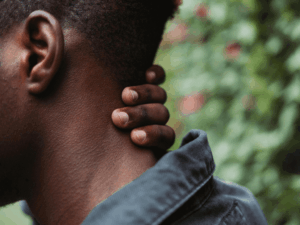
Tics are movements or sounds that happen suddenly and repeatedly, without rhythm. When a child or teen gets a tic, it can be scary for caregivers. They might worry if the little coughs or blinks will ever stop or if they mean something more serious. If a child has a tic, experts suggest seeing a doctor to make sure it is a tic. But most of the time, parents are
Language learning difficulties
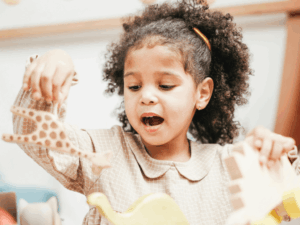
Communication difficulties can make it hard for you to understand and use language. You might find it tough to speak, understand what others are saying, or both. You may use short sentences, mix up the order of words, or say “um” a lot. These challenges can make things difficult at home, in school, and with friends. Communication difficulties are different from speech sound disorders. Speech sound disorders are where you
Language learning difficulties
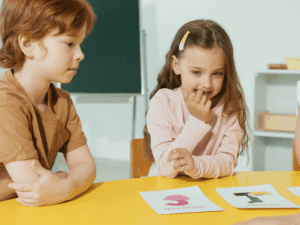
Communication difficulties can affect how learners understand and use language. Learners with these difficulties may struggle with speaking, understanding, or both. They might use short sentences, mix up word order, or say “um” often. These challenges can make it hard for them at home, in school, and with friends. Communication difficulties are different from speech sound disorders. Speech sound disorders are where the learner has trouble making sounds, whereas with
Language learning difficulties
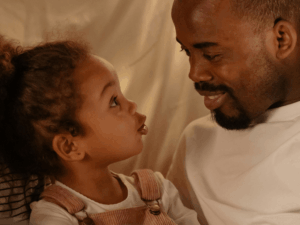
Communication difficulties can affect how children understand and use language. Children with these difficulties may struggle with speaking, understanding, or both. They might use short sentences, mix up word order, or say “um” often. These challenges can make it hard for them at home, in school, and with friends.Communication difficulties are different from speech sound disorders. Speech sound disorders are where the child has trouble making sounds, whereas with communication
Speech sound difficulties
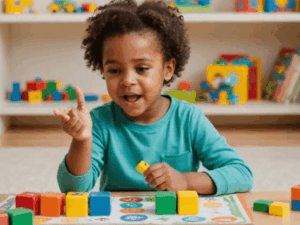
Speech sound difficulties occur when you or your friends have trouble making the sounds needed for clear speech. These difficulties can include problems with controlling your voice, producing specific sounds, or speaking clearly. You might also experience issues like stuttering or lisping, which can make it hard for others to understand you. Speech sound difficulties are different from language disorders, which involve problems with understanding and using language. If you
Speech sound difficulties
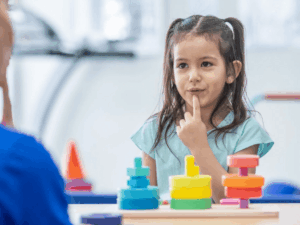
Speech sound difficulties occur when learners struggle to make the sounds needed for clear speech. These difficulties can involve problems with controlling their voices, producing specific sounds, or speaking clearly. Some learners might also experience issues like stuttering or lisping, making it hard for others to understand them. Speech sound difficulties are different from language disorders (which involve problems with understanding and using language). Learners with speech sound difficulties do
Speech sound difficulties
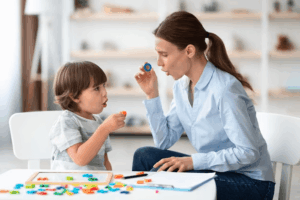
Speech sound difficulties occur when children have trouble making the sounds needed for clear speech. These difficulties can include problems with controlling their voices, producing specific sounds, or speaking clearly. Children might also experience issues like stuttering or lisping. As a result, it can be hard for others to understand what they are trying to say. Speech sound difficulties are different from language disorders, which involve problems with understanding and
Math difficulties
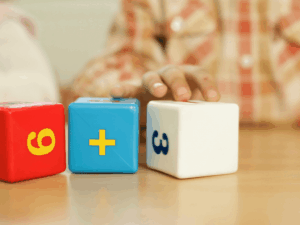
It is not uncommon to struggle with maths and have unpleasant experiences with it. You might think, “This is boring,” or “I’m never going to need this,” if maths doesn’t come easily to you. We start learning maths when we are young children. If you have difficulties, you may take a long time to recognise numbers or patterns or even learn how to count. As you grow older, you might
Maths difficulties
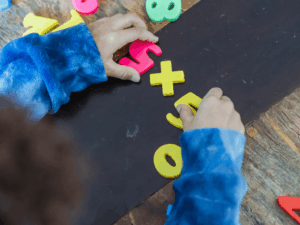
Many learners find maths hard, and many adults can recall bad experiences with maths in school. Children in school who are experiencing difficulties might say maths is “boring” or “useless.” Young learners with maths difficulties might take a long time to recognise numbers or patterns or to learn to count. As they get older, they may struggle with concepts like addition or subtraction and later, algebra.. Outside of school, they
Maths difficulties
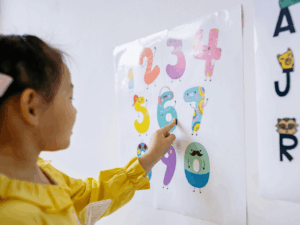
Many children find maths hard, and many adults remember their own school maths struggles. Often, children think, “This is boring” or “I’ll never use this.” For some, maths just doesn’t “click.” Young children who have trouble with maths might take a long time to recognize numbers or patterns or learn how to count. As they get older and learn numbers, they might have difficulty with addition, subtraction, and later, with
Writing difficulties
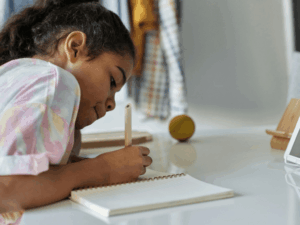
Writing is a complex skill that involves many smaller skills like holding a pencil, forming letters, spelling, and organising ideas. Many learners learn to write easily, but some have a hard time. If you or your friends struggle with writing, it might be due to writing difficulties. These challenges can affect the physical act of writing or expressing thoughts in writing, or both. It’s important to know that these problems
Writing difficulties
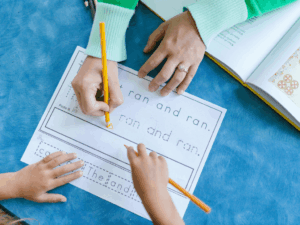
Writing is a complex skill that involves many smaller skills like holding a pencil, forming letters, spelling, and organising ideas. Many learners learn to write easily, but some have a hard time. Learners with writing difficulties can struggle with the physical act of writing or with expressing their thoughts in writing, or both. These problems are not due to low intelligence, lack of effort, or poor teaching. They may be
Writing difficulties
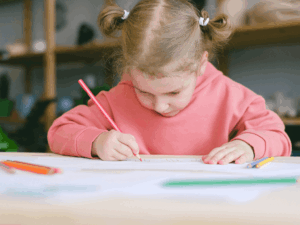
Writing is a complex skill. It involves many smaller skills like holding a pencil, forming letters, spelling, and organising ideas. Many children learn to write easily, but some have a hard time. Children with writing difficulties can struggle with the physical act of writing or with expressing their thoughts in writing, or both. These problems are not due to low intelligence, lack of effort, or poor teaching. They may be

Feeling very afraid or panicking all of a sudden for no reason
Panic attacks are very scary. A panic attack is when you suddenly have really strong and uncomfortable feelings, like a fast-beating heart, sweating, shaking, dizziness, trouble breathing, and feeling sick. When this happens, you might think something terrible is happening, like you are dying, going crazy, or losing control. What is typical? Our bodies have a natural alarm system to help us in emergencies. With panic attacks, this alarm goes

Feeling very afraid or panicking all of a sudden for no reason
A panic attack is a sudden burst of intense fear that triggers severe physical symptoms. These symptoms include a racing heart, sweating, shaking, dizziness, shortness of breath, and nausea, which can cause discomfort. When experiencing these symptoms, people, including learners, often think something is terribly wrong. They may believe they are dying, going crazy, or losing control. What is typical? Even though our bodies have a natural alarm system that

Feeling very afraid or panicking all of a sudden for no reason
Panic attacks can be very scary. They happen when someone suddenly feels a lot of strong physical symptoms like a racing heart, sweating, shaking, dizziness, trouble breathing, and feeling sick. During a panic attack, people might think something awful is happening, like they are dying, going crazy, or losing control. What is typical? Our bodies have a natural alarm system that helps us deal with emergencies. But when kids and

Having bad memories or feelings about a very stressful experience
Throughout life, we all go through upsetting experiences. Traumatic experiences are those that directly or indirectly threaten our lives, safety, or well-being. These can include violence, abuse, neglect, natural disasters, or bad accidents. They can happen once or many times. We all perceive and react to events in different ways. Not everyone feels trauma after an upsetting event, but for some, even a single event, like a car accident or
Having bad memories or feelings about a very stressful experience
Throughout life, many upsetting things can happen to us. Traumatic experiences are those that involve real or possible threats to a child’s life, safety, or well-being. These can include violence, abuse, neglect, natural disasters, or accidents. These events can happen once or many times. What is typical? It is normal for a learner or teenager to feel scared or upset after a frightening event. It usually takes some time for

Having bad memories or feelings about a very stressful experience
Sometimes, really upsetting things happen that make us, or our loved ones, feel unsafe. Traumatic experiences include violence, abuse, neglect, natural disasters, or accidents. These can happen once or many times. Children and adolescents feel and react to these events in different ways. Not everyone who goes through something upsetting will feel it as trauma. But for some, even hearing about something bad that happened to someone they love can

Feeling irritable, unable to focus, or having quick changes in emotions
Let’s face it, everyone gets angry or irritated sometimes. It is normal to feel this way when you’re tired, hungry, upset, or have just had a bad day. Sometimes you might even wake up in a bad mood for no reason at all. What is typical? Everyone gets angry, t’s okay. You might get angry if things do not go your way or if you have to do something you
Feeling irritable, unable to focus, or having quick changes in emotions
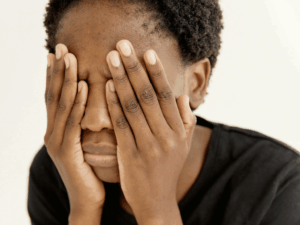
Let’s face it, we all get angry or upset sometimes. It is normal to feel irritable when we’re tired, hungry, upset, in a bad mood, or after a really hard day. Sometimes, there isn’t a clear reason at all, like when people say they “I woke up on the wrong side of the bed.” What is typical? Learners get angry just like adults do. This is normal. Usually, anger goes

Feeling irritable, unable to focus, or having quick changes in emotions
Let’s face it, we all get a little angry sometimes. Maybe we’re tired, hungry, sad, upset, or just had a bad day. Sometimes, people can be grumpy for no reason at all. What is typical? Kids and teens get cross just like adults do. Anger is normal and usually goes away in less than 30 minutes. But if a child is angry a lot or their anger lasts a long
Body image concerns
We all look different. Everyone has different biological and environmental factors that shape how our bodies grow, our bone structure, body size, shape, and weight. Throughout life, society creates different versions of what a perfect body should look like. Many messages we get about what kind of bodies are desirable or good can change how we see our own bodies. This view of ourselves is known as body image. What

Body image concerns
Everyone looks different in their own way. Our genetics and culture have an impact on how our bones, body size, shape, and weight develop. Throughout life, society portrays different views on what a perfect body should look like. Therefore, these perspectives have a major impact on how learners feel about their body image. Additionally, these perspectives pave the way for lower self-esteem amongst learners. What is body image? Body image

Body image concerns
People look different from one another. Everyone has different genes and cultural backgrounds that affect their growth, bone structure, body size, shape, and weight. Throughout life, various messages about ideal body features influence how people view their own bodies, known as body image. What is body image? Body image is how people see their own bodies when they look in a mirror or imagine themselves. It’s a mix of feelings,

What to expect from adolescents (12 to 18 years)
Adolescents go through many changes. Their minds and bodies grow and change a lot. They learn to think and solve problems better, improve their social skills, and grow physically. Sometimes they grow so fast they might trip over their own feet! Some people say being a teenager is a time of “storm and stress” or “trials and tribulations.” One thing is sure: teens start out like children but end up

What to expect from children (6 to 12 years)
Children in this age group are becoming more independent, learning new skills, doing well in school, and forming friendships. They develop quickly in self-care, physical abilities, language, learning, social, and emotional skills. At the start, they might still seem like little kids, but by the end, they are much more like the people they will be when they grow up. All of these things happen quickly as kids grow from

What to Expect from Preschoolers (3 to 6 years old)
The preschool years are very exciting. Kids this age are ready to explore more and do things on their own. Young preschoolers start to do more things by themselves, like getting dressed and using the bathroom. Older preschoolers can usually ride tricycles and bikes with training wheels. They also make friends and learn basic skills that help them get ready for school. What are common things preschoolers learn to do?

What to expect from infants and toddlers (birth to 3 years)
From the day infants are born, they start to see the world for the first time. They learn new things every day. As kids grow up, they learn different skills, called “milestones”. It’s important for kids to learn these skills at the right time. If you have a child up to 3 years old, this guide is for you. What are normal infant and toddler milestones? In the first few

Excessive screen use
Technology and Internet use are part of our lives. We use them every day for many things, like talking to people and studying. But it’s important to use technology in a healthy way. Many of us spend a lot of time each day using screens: surfing the Internet, posting on social media, chatting, doing schoolwork, or playing video games. Even though technology has many benefits, too much screen time can

Excessive screen use
Technology and the internet are a big part of students’ lives. They are important for many things like talking to friends and learning. But it is important to use technology in healthy ways. Many students spend a lot of time each day using screens for things like playing games, chatting with friends, doing school work, or being on social media. While this can be helpful, too much screen time can

Excessive screen use
Technology and the Internet are now a big part of kids’ and teens’ lives. They are needed for things like talking to people and learning. But, it’s important to use technology in good and healthy ways. Many kids and teens spend a lot of time on screens every day. They surf the Internet, post on social media, chat with family or friends, do homework, or play video games. Even though

Bullying
Peers are very important in your life. With friends, you learn a lot of things, including how to be kind and work together. Friends’ influence starts early and grows over time. As you become more independent from your parents and figure out who you are, friends become your main support and make you feel like you belong. It is normal, healthy, and important to have and rely on friends as

Bullying
Peers play very important roles in the social and emotional development of students. Relationships with peers provide a special context in which students learn many skills, such as cooperation and empathy. Peer influence starts early and grows stronger as students get older. As students begin developing independence from their parents and start understanding who they are, peers become a significant source of social and emotional support and pivotal in building
Bullying
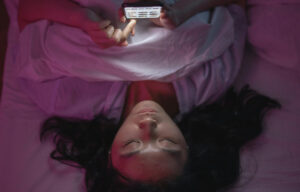
Peers play key roles in how children and teens grow socially and emotionally. Relationships with friends help kids learn important skills like working together and understanding others’ feelings. As kids get older and start to become more independent from their parents, they rely more on their friends for support. Having friends is a natural and important part of growing up. But just as positive friendships help kids, bad ones can

Self-injury
Self-injury can be very scary, and most of us would rather not talk about it. But talking about self-injury doesn’t make people do it more. Instead, it helps to understand the problem and find ways to help those who self-injure. Self-injury is when someone harms themselves on purpose to deal with strong emotions like deep sadness, big anger, or extreme anxiety. The most common way people self-injure is by cutting

Self-injury
Self-injury can be scary, and it’s common for people to avoid talking about it. But talking about self-injury does not make it more likely to happen. Instead, it helps us understand the problem and think about ways to help those who hurt themselves. Self-injury means hurting oneself on purpose to deal with strong emotions like sadness, anger, or anxiety. The most common way people do this is by cutting or

I worry about myself or a friend, but how do I know what is going on?
Almost all of us want to be happy and healthy. We also want the same for our friends. But sometimes, life can be tough. We might feel strong emotions or things we do not understand. We might have trouble at school, with family, or with friends. We also might not know how to act in certain situations. It’s normal to wonder if everything is okay or if we need help.
I worry about a student, but how do I know what is going on?
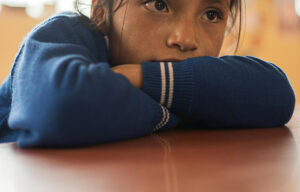
Teachers want their students to learn and do well in school. But being a teacher is hard work. Teachers teach lessons, help students grow academically, support their social development, give extra help when needed, and more. They often do this for many classes of students, year after year. Teachers usually know what is normal for the age group they are teaching and what is not. They use their curriculum, benchmarks,

I worry about my child, but how do I know what is going on?
Being a caregiver is hard. You want your child to be healthy and do well. It’s normal to compare your child to others their age. You might wonder if everything is okay or if there’s a problem that needs help. Sometimes it’s hard to know what’s wrong or what kind of help your child needs. If you feel this way, this guide is for you. What is typical development? Growing