


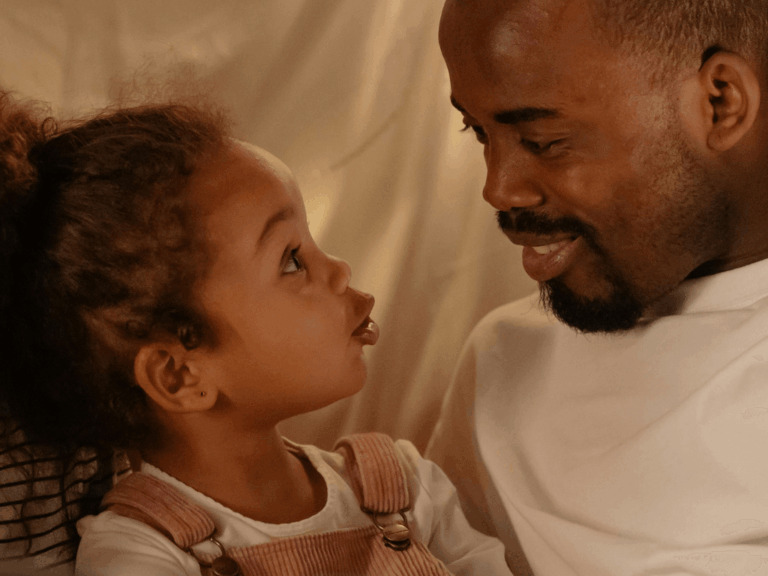
Language learning difficulties
Communication difficulties can affect how children understand and use language. Children with these difficulties may struggle with speaking, understanding, or both. They might use short sentences, mix up word order, or say “um” often. These challenges can make it hard for them at home, in school, and with friends.Communication difficulties are different from speech sound disorders. Speech sound disorders are where the child has trouble making sounds, whereas with communication
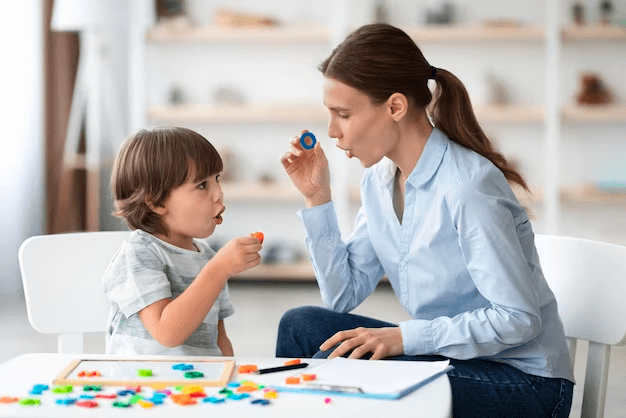
Speech sound difficulties
Speech sound difficulties occur when children have trouble making the sounds needed for clear speech. These difficulties can include problems with controlling their voices, producing specific sounds, or speaking clearly. Children might also experience issues like stuttering or lisping. As a result, it can be hard for others to understand what they are trying to say. Speech sound difficulties are different from language disorders, which involve problems with understanding and
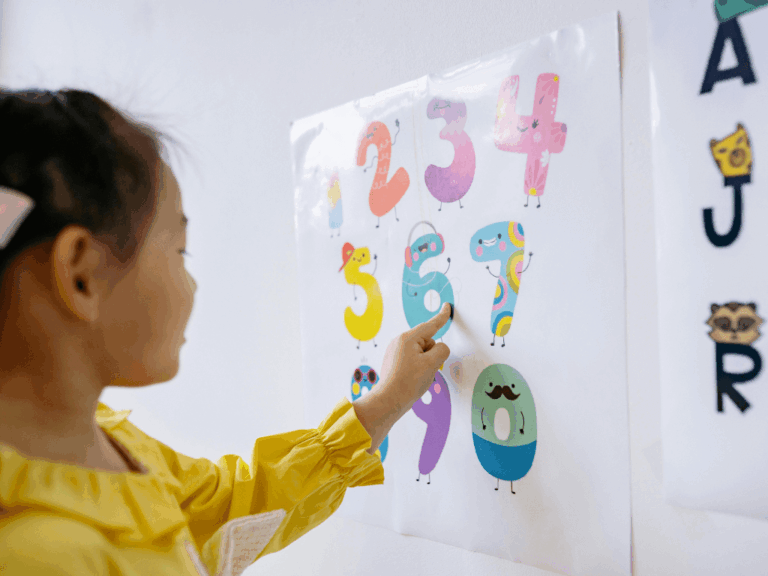
Maths difficulties
Many children find maths hard, and many adults remember their own school maths struggles. Often, children think, “This is boring” or “I’ll never use this.” For some, maths just doesn’t “click.” Young children who have trouble with maths might take a long time to recognize numbers or patterns or learn how to count. As they get older and learn numbers, they might have difficulty with addition, subtraction, and later, with
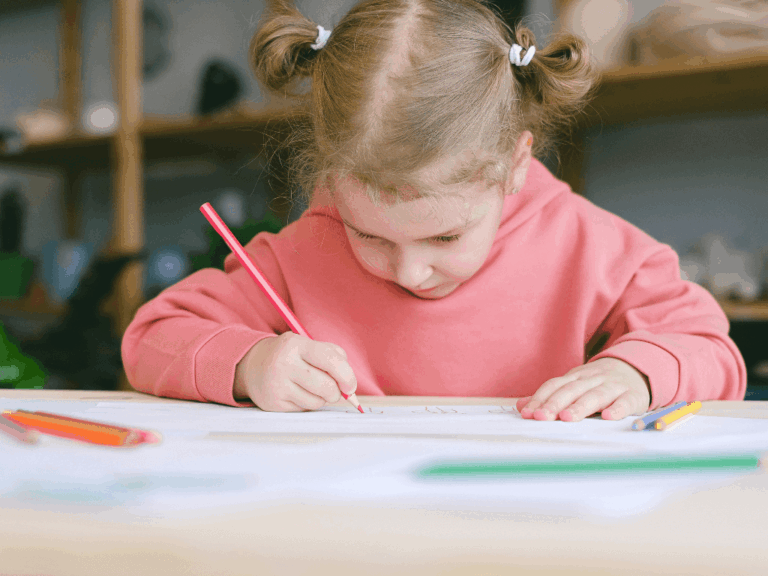
Writing difficulties
Writing is a complex skill. It involves many smaller skills like holding a pencil, forming letters, spelling, and organising ideas. Many children learn to write easily, but some have a hard time. Children with writing difficulties can struggle with the physical act of writing or with expressing their thoughts in writing, or both. These problems are not due to low intelligence, lack of effort, or poor teaching. They may be

Reading difficulties
Reading is a complex skill, even though it may seem easy for most adults. Many children learn to read easily, but some have a tough time. Children with reading difficulties struggle to recognise and work with language sounds. This makes it hard for them to break words into sounds and read them quickly. These problems are not because of low intelligence, lack of effort, poor education, or other issues like
Early developmental concerns
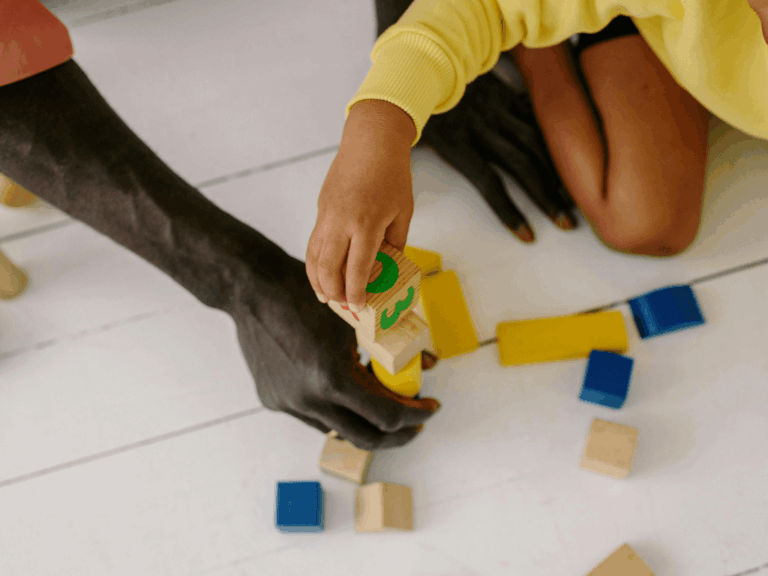
As children grow, they learn new skills, often called milestones. They learn to move, speak, think, and behave in different ways over time. All children are unique, but there are skills they should develop by certain ages. When a child is slow to reach these milestones or loses skills, there might be early developmental concerns. What is typical development? Caregivers can check if a child is developing normally by looking

Feeling very afraid or panicking all of a sudden for no reason
Panic attacks can be very scary. They happen when someone suddenly feels a lot of strong physical symptoms like a racing heart, sweating, shaking, dizziness, trouble breathing, and feeling sick. During a panic attack, people might think something awful is happening, like they are dying, going crazy, or losing control. What is typical? Our bodies have a natural alarm system that helps us deal with emergencies. But when kids and

Having bad memories or feelings about a very stressful experience
Sometimes, really upsetting things happen that make us, or our loved ones, feel unsafe. Traumatic experiences include violence, abuse, neglect, natural disasters, or accidents. These can happen once or many times. Children and adolescents feel and react to these events in different ways. Not everyone who goes through something upsetting will feel it as trauma. But for some, even hearing about something bad that happened to someone they love can

Feeling irritable, unable to focus, or having quick changes in emotions
Let’s face it, we all get a little angry sometimes. Maybe we’re tired, hungry, sad, upset, or just had a bad day. Sometimes, people can be grumpy for no reason at all. What is typical? Kids and teens get cross just like adults do. Anger is normal and usually goes away in less than 30 minutes. But if a child is angry a lot or their anger lasts a long

Body image concerns
People look different from one another. Everyone has different genes and cultural backgrounds that affect their growth, bone structure, body size, shape, and weight. Throughout life, various messages about ideal body features influence how people view their own bodies, known as body image. What is body image? Body image is how people see their own bodies when they look in a mirror or imagine themselves. It’s a mix of feelings,

Feeling great, very energetic, or in a very good mood more than usual
Feeling great, very energetic, or in a very good mood more than usual can be part of a condition known as bipolar disorder, which involves extreme mood changes. Children with bipolar disorder may have periods of high energy and happiness, and other times when they feel very sad or tired. During these high-energy periods, children might act impulsively, take risks, or have trouble focusing. These mood changes are not due

Feeling sad or losing interest
Our moods can change over a week or even during a single day. Sometimes we feel happy, cheerful, or playful. Other times, we might feel sad. Kids and teens experience these mood changes too. Feeling sad is normal, but it can become a problem if it lasts a long time or keeps happening. What is typical? It’s normal for kids and teens to feel down when bad things happen—we all
Feeling afraid to be away from a caregiver or someone close
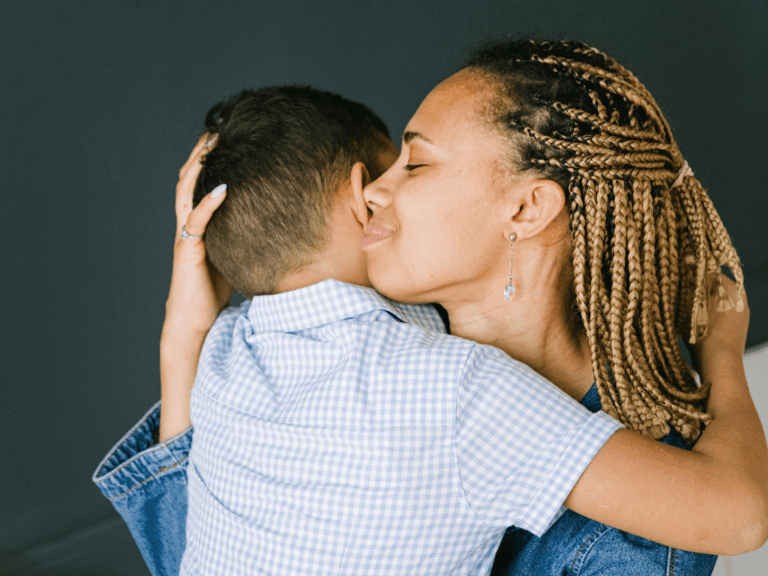
Being apart from a caregiver can be a stressful experience for some children. To them, the world is new, exciting, but also scary. They depend on their caregivers to feel safe and learn how to handle new experiences.Young children, in particular, often feel scared when they are away from a trusted adult. This is called separation fears or separation anxiety. What is typical? Almost all children between 6 months and
Feeling worried, nervous, or upset when around people or when presenting to them
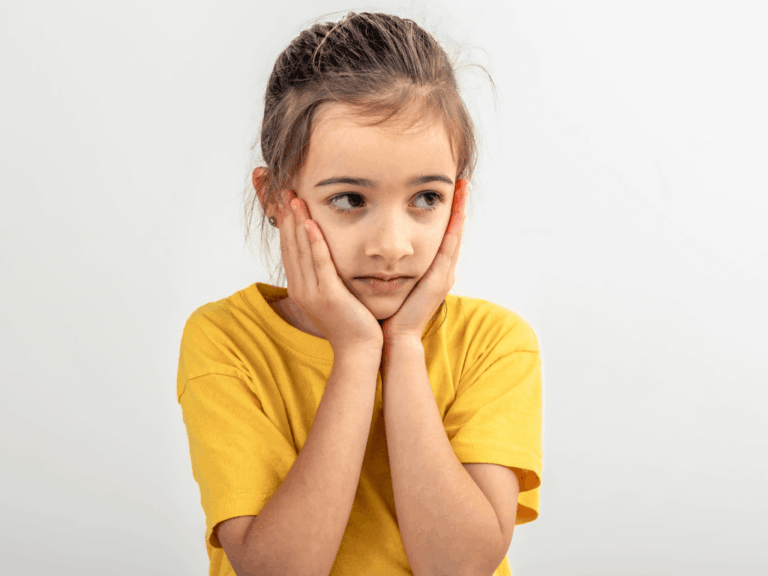
All children are different. Some children are very active and like talking to people and trying new things. These children are often called extroverts. Other children are quieter, smile and laugh less, and do not look for new experiences. These children are called introverted or shy. What is typical? Being shy is not usually a problem. Many children are shy at times. Here’s what you might expect: Shyness may stop
Feeling worried or anxious about many things
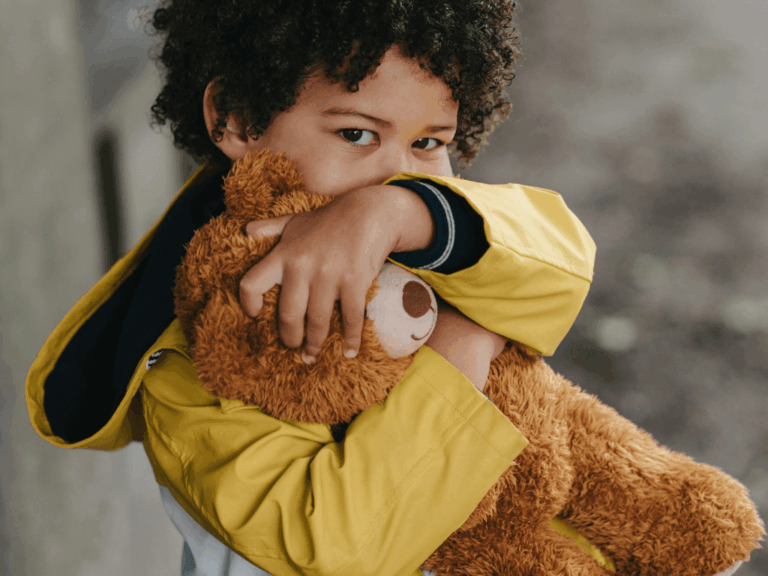
“Worry” means having thoughts that make you feel nervous or scared about the future. Worrying is normal because it helps us be careful when things are new or different. Usually, children and teenagers worry about things that are unlikely to happen. Kids might think there are monsters under their beds, but when we look, there are no monsters. They might worry about falling off their bikes, but if they use

What to expect from adolescents (12 to 18 years)
Adolescents go through many changes. Their minds and bodies grow and change a lot. They learn to think and solve problems better, improve their social skills, and grow physically. Sometimes they grow so fast they might trip over their own feet! Some people say being a teenager is a time of “storm and stress” or “trials and tribulations.” One thing is sure: teens start out like children but end up
What to expect from children (6 to 12 years)
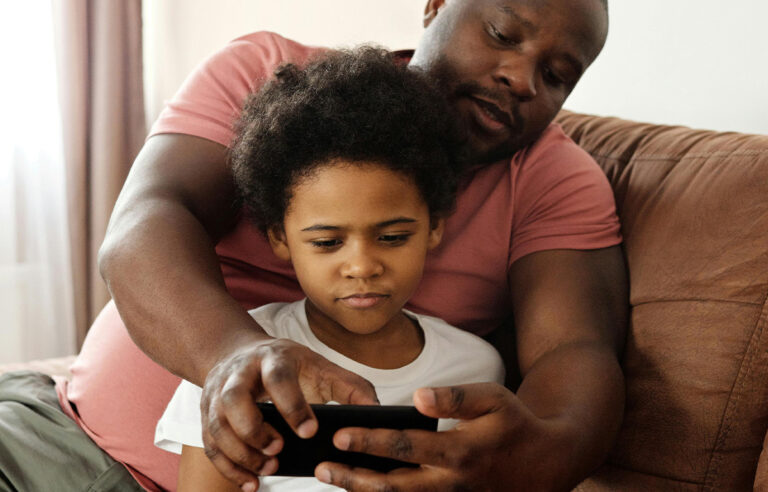
Children in this age group are becoming more independent, learning new skills, doing well in school, and forming friendships. They develop quickly in self-care, physical abilities, language, learning, social, and emotional skills. At the start, they might still seem like little kids, but by the end, they are much more like the people they will be when they grow up. All of these things happen quickly as kids grow from
What to Expect from Preschoolers (3 to 6 years old)
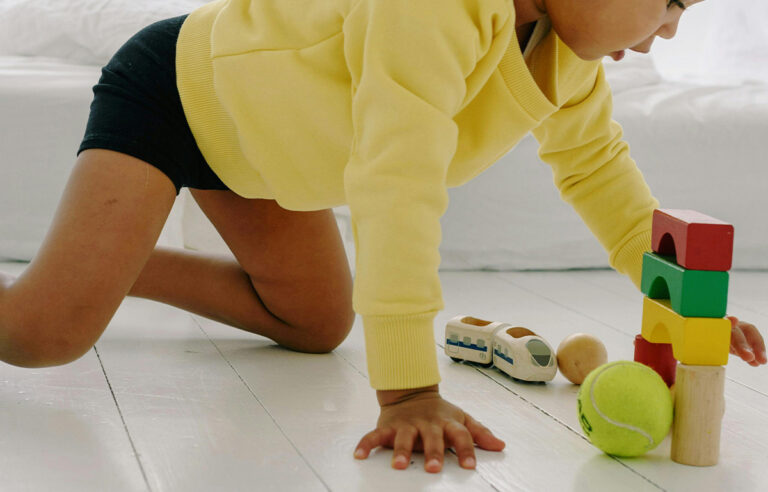
The preschool years are very exciting. Kids this age are ready to explore more and do things on their own. Young preschoolers start to do more things by themselves, like getting dressed and using the bathroom. Older preschoolers can usually ride tricycles and bikes with training wheels. They also make friends and learn basic skills that help them get ready for school. What are common things preschoolers learn to do?

What to expect from infants and toddlers (birth to 3 years)
From the day infants are born, they start to see the world for the first time. They learn new things every day. As kids grow up, they learn different skills, called “milestones”. It’s important for kids to learn these skills at the right time. If you have a child up to 3 years old, this guide is for you. What are normal infant and toddler milestones? In the first few

Excessive screen use
Technology and the Internet are now a big part of kids’ and teens’ lives. They are needed for things like talking to people and learning. But, it’s important to use technology in good and healthy ways. Many kids and teens spend a lot of time on screens every day. They surf the Internet, post on social media, chat with family or friends, do homework, or play video games. Even though
Bullying
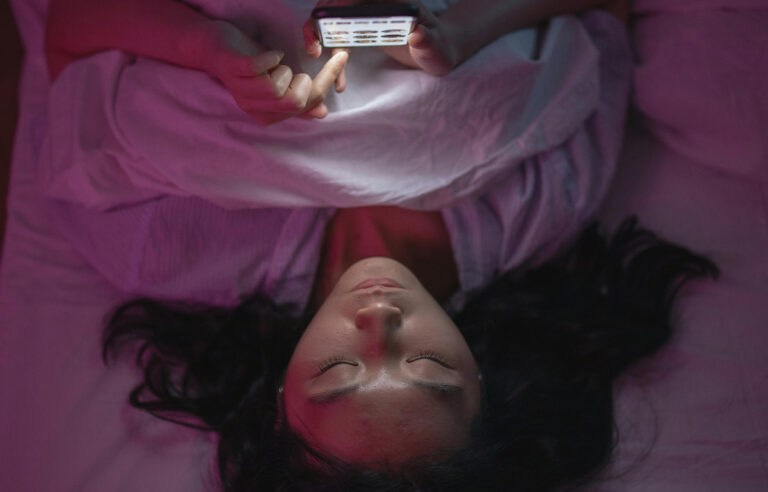
Peers play key roles in how children and teens grow socially and emotionally. Relationships with friends help kids learn important skills like working together and understanding others’ feelings. As kids get older and start to become more independent from their parents, they rely more on their friends for support. Having friends is a natural and important part of growing up. But just as positive friendships help kids, bad ones can
Self-injury
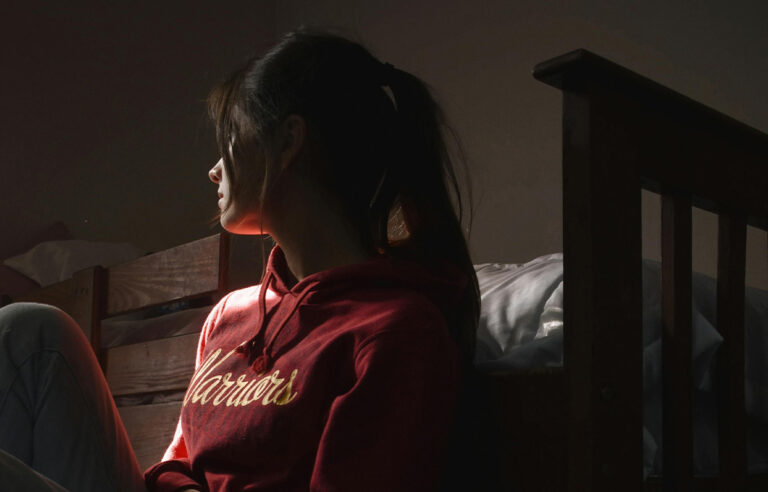
Self-injury can be scary, and it’s normal for people to avoid talking about it. But talking about self-injury doesn’t make it worse. In fact, it can help us understand the problem and find ways to help those who hurt themselves. Self-injury means hurting yourself on purpose to feel better emotionally. Some people cut or scratch their skin with sharp objects like razors, paperclips, or pen caps. Some people also burn,

Feeling suspicious of others, having strange thoughts or feeling like hearing voices or seeing people no one else could see
Sometimes, children experience things that seem strange or unusual. They might hear voices that others can’t or see things that aren’t there. They might become suspicious of others for no reason or have beliefs that don’t seem real. They might also act in ways that are hard to understand. These experiences can be frightening for both the child and their caregivers. It’s important to remember that these problems are not

Drinking alcohol or using tobacco, nicotine, or other drugs
Teens and sometimes younger kids use substances for many reasons. They might drink alcohol or use other substances because they see others doing it and are curious. They may also feel pressured by friends. Alcohol is legal for adults in most places and is often advertised as fun and exciting. The same goes for tobacco products like vapes and cigarettes. Many adults use alcohol and tobacco to relax and have
Difficulties with attention or concentration and being very active or doing things without thinking
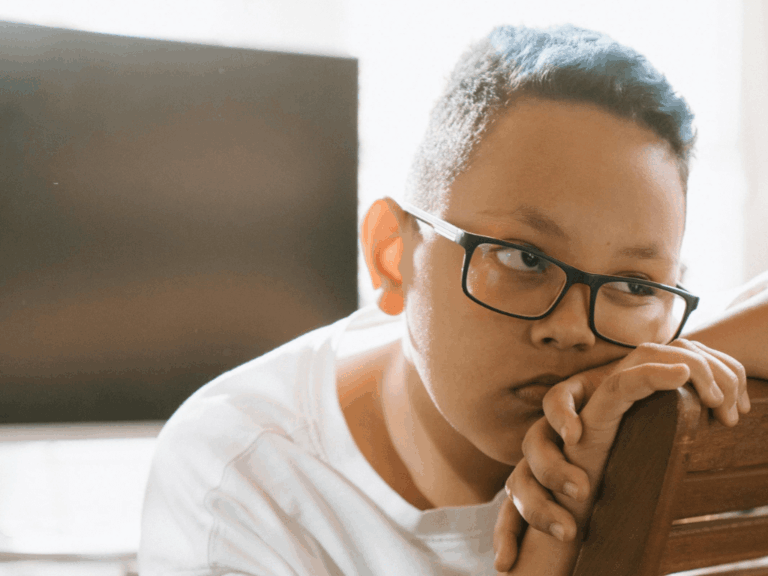
Young kids often cannot focus for long—they have lots on their minds. They also have a lot of energy and need to move around. They sometimes act without thinking, sometimes leading to hurt feelings, bruises, and scrapes. As kids grow older, we hope they start to outgrow these behaviours. However, some kids take longer to develop. For some, not paying attention, being overly active, and acting without thinking can cause
Being aggressive, damaging or taking things that belong to others, or lack of care for others’ feelings
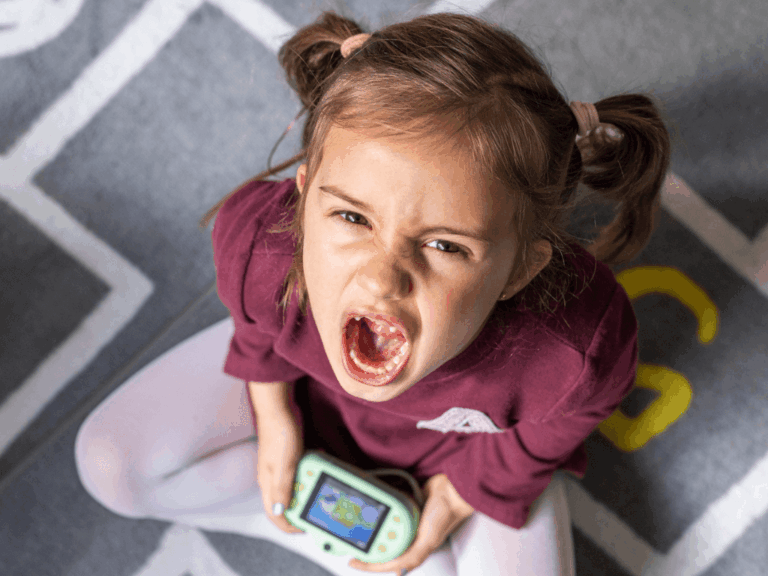
Some children and teens may show behaviours that are more than just acting out. They might be aggressive, damage things, or take things that aren’t theirs. They may also not seem to care about others’ feelings. These actions can be very upsetting for caregivers and others around them. It’s important to know that these behaviours are not just normal mischief. They can be signs that the child needs help. With

Difficulties following rules or annoying others on purpose, and feeling angry or irritable
All children sometimes have trouble following rules or get upset. After all, rules are made to be broken, and we all get upset sometimes. However, some children have more frequent and intense problems with these behaviours. They may often feel angry or irritable and act out by not listening to adults or annoying others on purpose. These behaviours can be challenging for caregivers and may lead to conflicts at home

I worry about my child, but how do I know what is going on?
Being a caregiver is hard. You want your child to be healthy and do well. It’s normal to compare your child to others their age. You might wonder if everything is okay or if there’s a problem that needs help. Sometimes it’s hard to know what’s wrong or what kind of help your child needs. If you feel this way, this guide is for you. What is typical development? Growing