


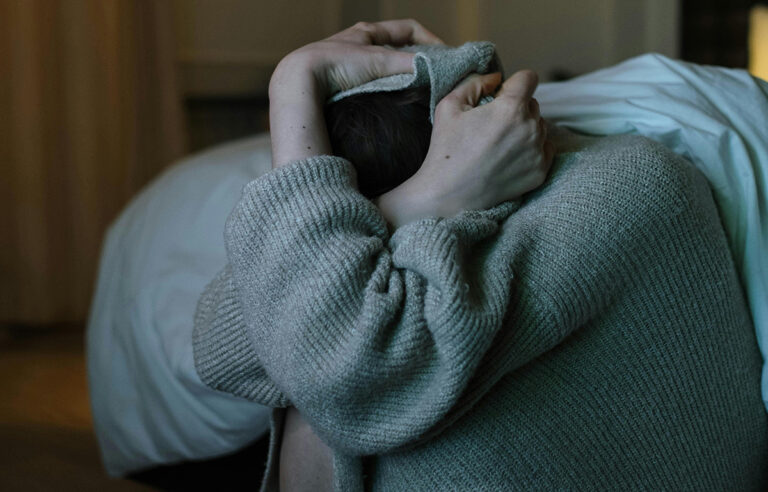
Psychosis
Psychosis is a mental health condition where a person loses touch with reality. This means they might see, hear, or believe things that aren’t real. It’s more common in older teens and young adults, but it can happen in children too, though it’s rare. When psychosis begins in childhood, it often starts slowly. A child might become more withdrawn, have trouble paying attention, or seem anxious because they are experiencing
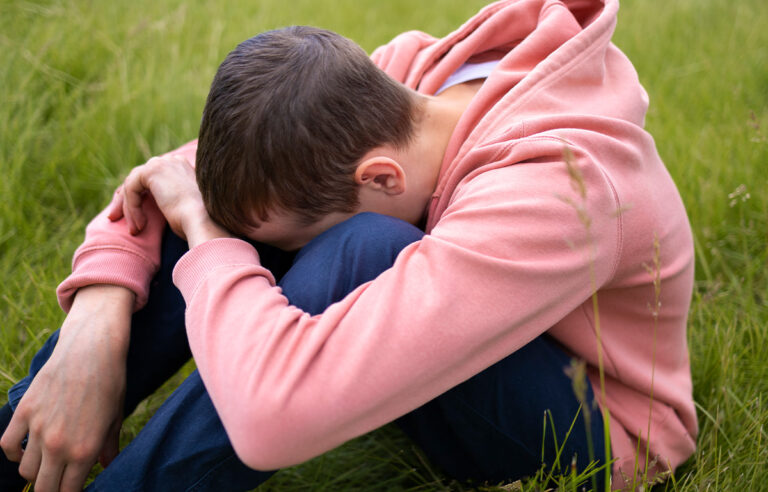
Substance Use Disorder
Substance Use Disorders are mental health conditions where kids or teens use drugs or alcohol in unhealthy ways. These can include addictions, using substances in ways that disrupt normal life, and doing dangerous things because of the substances. Kids with Substance Use Disorders have trouble in school, work, or relationships because of their substance use. They also develop tolerance, meaning they need to use more of the substance to feel

Attention-Deficit/Hyperactivity Disorder (ADHD)
Attention-Deficit/Hyperactivity Disorder (ADHD) is a mental health condition often diagnosed in children. ADHD can make it very hard for kids to pay attention, focus on schoolwork or other tasks, control their impulses, and sit still. Children with ADHD have a harder time controlling themselves than other kids their age, which can lead to challenges at school and home. What are the symptoms of ADHD? Symptoms of ADHD are divided into

Conduct Disorder
Conduct Disorder is a mental health condition that can affect children and teenagers. Kids who have Conduct Disorder often hurt people and do bad things. They are unkind and can be violent, and they do not care about other people’s feelings. This behaviour is much worse than normal teasing or acting out. Bullying, hurting animals, and lying for no reason are all signs of Conduct Disorder. In younger kids, it
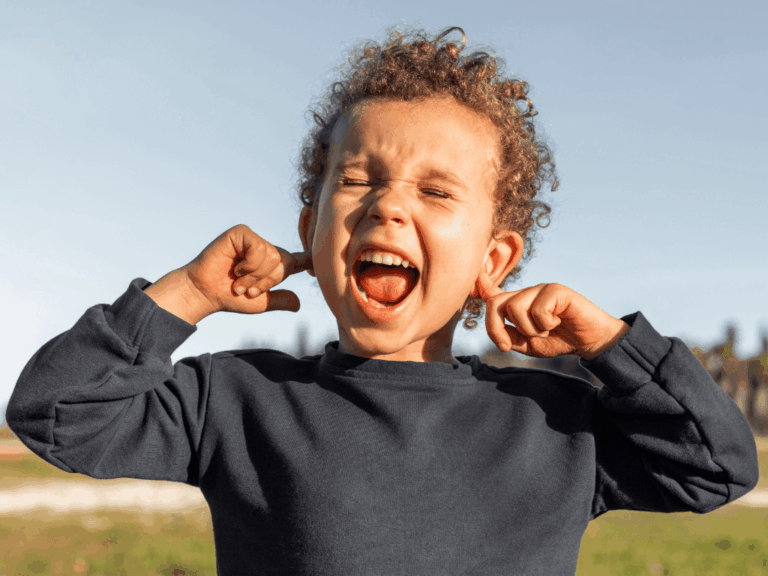
Oppositional Defiant Disorder (ODD)
Oppositional Defiant Disorder (ODD) is a mental health condition in children that involves defying parents, breaking rules, and other serious behaviour problems. All children act out sometimes, but kids with ODD struggle with their behaviour regularly. They are often angry or irritable, and their behaviour problems are more extreme. What are the symptoms of ODD? Children with ODD have a pattern of behaviour problems with the following common symptoms: Core
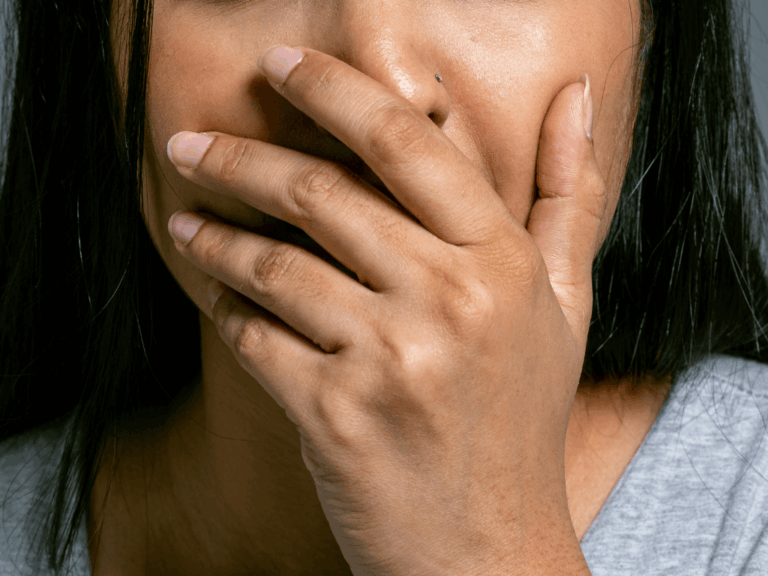
Panic Disorder
Panic Disorder is an anxiety disorder where kids have sudden anxiety attacks called “Panic Attacks.” These attacks have specific symptoms like a racing heartbeat, sweating, dizziness, shortness of breath, and nausea. Sometimes a person might even feel like they are dying. These symptoms usually last about 10 minutes and often come from feelings of fear and a strong urge to leave the place or situation that started the attack. Kids
Post-Traumatic Stress Disorder (PTSD)
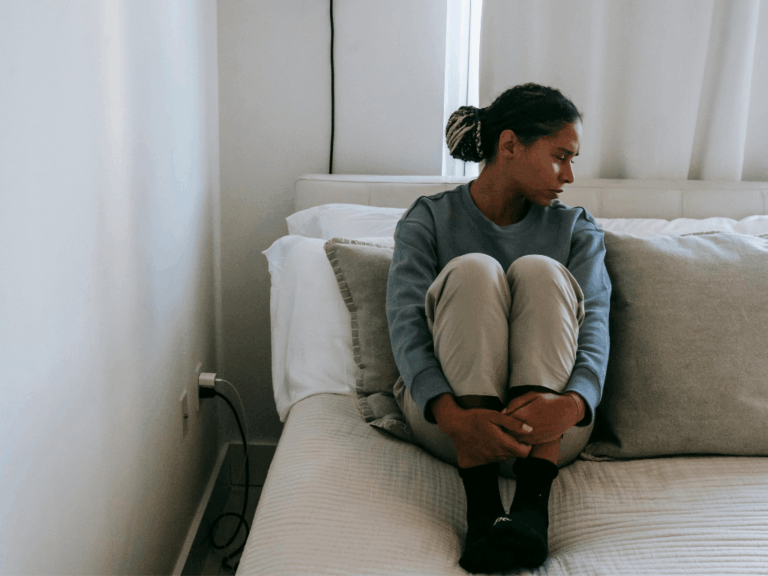
It is normal for kids to be scared after something frightening happens. They might have nightmares, get upset for no clear reason, or want to sleep near a caregiver at night. They might stay scared for a week or more. But if a child or teen is still having trouble one month or more after a scary event, they might have something more serious: Post-Traumatic Stress Disorder (PTSD). PTSD is
Disruptive Mood Dysregulation Disorder (DMDD)
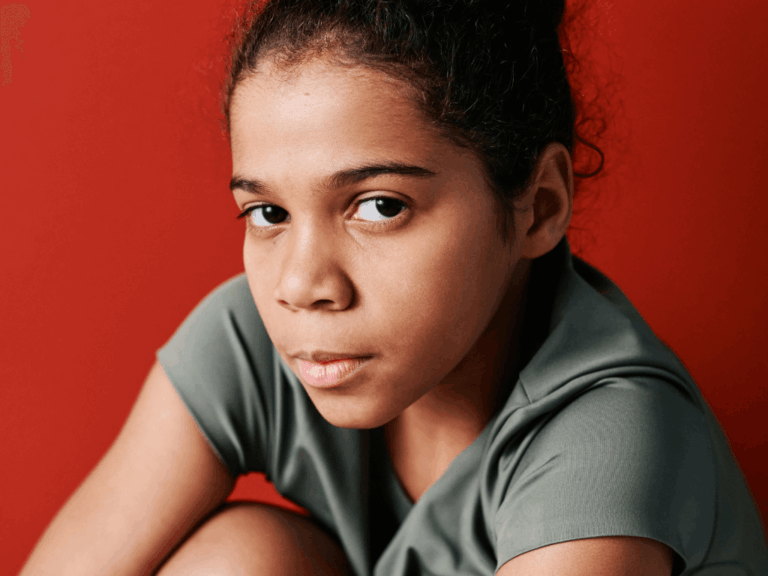
Disruptive Mood Dysregulation Disorder (DMDD) is a condition where a child is always irritable and has frequent, strong temper outbursts that seem way too big for the situation. Children with DMDD cannot control their emotions like other kids their age. DMDD is a new disorder created to better categorise some children who were previously diagnosed with paediatric Bipolar Disorder. For children with DMDD, their behaviour is steady and not in

Body Dysmorphic Disorder
Body Dysmorphic Disorder is a mental health condition where children or teens worry a lot about how they look. They become very upset about tiny flaws in their appearance that they think they have. Sometimes the flaw isn’t even real. This disorder is sometimes called “imagined ugliness.” Children and teens with Body Dysmorphic Disorder often feel a lot of shame. They may not want to go to school or see

Eating Disorders
The most common eating disorders are Anorexia Nervosa, Bulimia Nervosa, and Binge Eating Disorder. Even though they are different, they are often related. Anorexia Nervosa is an eating disorder that can cause children and teens to starve themselves. Kids with anorexia think they are too fat, even though others see them as too thin. To keep a very low weight, they eat very little and do things like vomiting on

Obsessive-Compulsive Disorder (OCD)
Children and teens with Obsessive-Compulsive Disorder (OCD) have unwanted thoughts, worries, or urges called obsessions. Obsessions are very upsetting and hard to control. They may also develop repetitive actions, called compulsions, to calm the distress from their obsessions. In kids, compulsions can happen even when obsessions are not obvious. Often, compulsions are not connected to obsessions in a realistic way. For example, a child might have an obsessive fear that

Tic Disorder
Tics are movements or sounds that happen suddenly and repeatedly, without rhythm. When a child or teen gets a tic, it can be scary for caregivers. They might worry if the little coughs or blinks will ever stop or if they mean something more serious. If a child has a tic, experts suggest seeing a doctor to make sure it is a tic. But most of the time, parents are