



Language learning difficulties
Communication difficulties can make it hard for you to understand and use language. You might find it tough to speak, understand what others are saying, or both. You may use short sentences, mix up the order of words, or say “um” a lot. These challenges can make things difficult at home, in school, and with friends. Communication difficulties are different from speech sound disorders. Speech sound disorders are where you

Speech sound difficulties
Speech sound difficulties occur when you or your friends have trouble making the sounds needed for clear speech. These difficulties can include problems with controlling your voice, producing specific sounds, or speaking clearly. You might also experience issues like stuttering or lisping, which can make it hard for others to understand you. Speech sound difficulties are different from language disorders, which involve problems with understanding and using language. If you
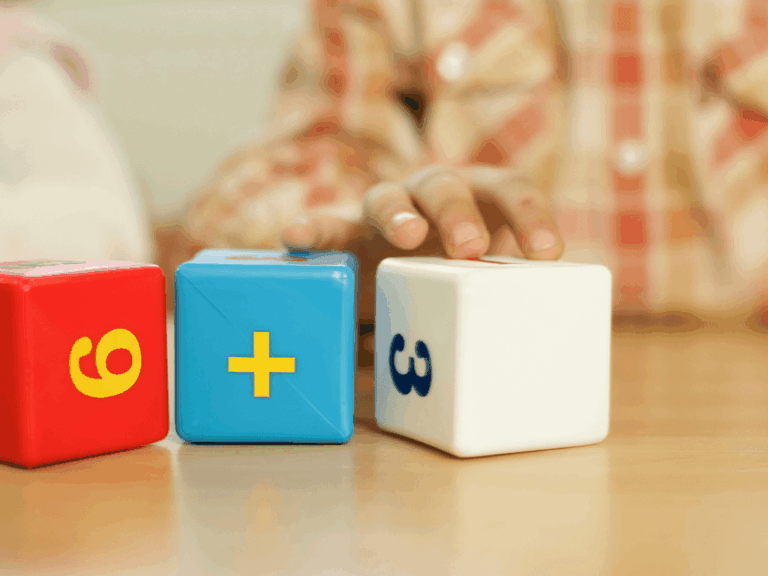
Math difficulties
It is not uncommon to struggle with maths and have unpleasant experiences with it. You might think, “This is boring,” or “I’m never going to need this,” if maths doesn’t come easily to you. We start learning maths when we are young children. If you have difficulties, you may take a long time to recognise numbers or patterns or even learn how to count. As you grow older, you might

Writing difficulties
Writing is a complex skill that involves many smaller skills like holding a pencil, forming letters, spelling, and organising ideas. Many learners learn to write easily, but some have a hard time. If you or your friends struggle with writing, it might be due to writing difficulties. These challenges can affect the physical act of writing or expressing thoughts in writing, or both. It’s important to know that these problems
Reading difficulties
Most people learn to read without much trouble, but some have a tough time. These problems usually start when you are learning to read, but they can continue as you grow older. You might find it hard to recognise sounds in language, break words into sounds, or even recognise letters or words. These difficulties do not mean you are not smart or not trying hard in school. It is common

Feeling very afraid or panicking all of a sudden for no reason
Panic attacks are very scary. A panic attack is when you suddenly have really strong and uncomfortable feelings, like a fast-beating heart, sweating, shaking, dizziness, trouble breathing, and feeling sick. When this happens, you might think something terrible is happening, like you are dying, going crazy, or losing control. What is typical? Our bodies have a natural alarm system to help us in emergencies. With panic attacks, this alarm goes

Having bad memories or feelings about a very stressful experience
Throughout life, we all go through upsetting experiences. Traumatic experiences are those that directly or indirectly threaten our lives, safety, or well-being. These can include violence, abuse, neglect, natural disasters, or bad accidents. They can happen once or many times. We all perceive and react to events in different ways. Not everyone feels trauma after an upsetting event, but for some, even a single event, like a car accident or

Feeling irritable, unable to focus, or having quick changes in emotions
Let’s face it, everyone gets angry or irritated sometimes. It is normal to feel this way when you’re tired, hungry, upset, or have just had a bad day. Sometimes you might even wake up in a bad mood for no reason at all. What is typical? Everyone gets angry, t’s okay. You might get angry if things do not go your way or if you have to do something you

Body image concerns
We all look different. Everyone has different biological and environmental factors that shape how our bodies grow, our bone structure, body size, shape, and weight. Throughout life, society creates different versions of what a perfect body should look like. Many messages we get about what kind of bodies are desirable or good can change how we see our own bodies. This view of ourselves is known as body image. What
Feeling great, very energetic, or in a very good mood more than usual
Sometimes, you might feel really energetic or in an unusually good mood. These feelings can be exciting and make you feel like you can do anything. You might find yourself talking more, having lots of ideas, or wanting to try new things (excessively). It’s important to know that these feelings are not your fault. They can be caused by changes in how your brain works. While it’s normal to feel

Feeling sad or losing interest
Our feelings can change a lot during a week or even in a single day. Sometimes we might feel happy or playful, and other times we may feel sad or demotivated. Feeling sad is normal, but it can become a problem if it happens a lot or the negative feelings don’t go away. Just remember it is okay to feel this way, many people experience these feelings. What is typical?

Feeling worried or anxious about many things
“Worry” means having annoying thoughts about what might happen in the future. These thoughts often come with feelings of fear or anxiety. Worrying reminds you to be careful when things are new or different, and it’s a normal reaction to stress. Most of the time, the things you worry about do not really happen. For example, when you were little, you might have worried about monsters under your bed or

Excessive screen use
Technology and Internet use are part of our lives. We use them every day for many things, like talking to people and studying. But it’s important to use technology in a healthy way. Many of us spend a lot of time each day using screens: surfing the Internet, posting on social media, chatting, doing schoolwork, or playing video games. Even though technology has many benefits, too much screen time can

Bullying
Peers are very important in your life. With friends, you learn a lot of things, including how to be kind and work together. Friends’ influence starts early and grows over time. As you become more independent from your parents and figure out who you are, friends become your main support and make you feel like you belong. It is normal, healthy, and important to have and rely on friends as

Self-injury
Self-injury can be very scary, and most of us would rather not talk about it. But talking about self-injury doesn’t make people do it more. Instead, it helps to understand the problem and find ways to help those who self-injure. Self-injury is when someone harms themselves on purpose to deal with strong emotions like deep sadness, big anger, or extreme anxiety. The most common way people self-injure is by cutting

Feeling suspicious of others, having strange thoughts or feeling like hearing voices or seeing people no one else could see
Hearing voices, seeing things others can’t, and having unusual beliefs can be scary and confusing. These experiences are part of a condition where someone loses touch with reality, called psychosis. It often starts in late adolescence or early adulthood, but some children show signs earlier. Not everyone with these signs will develop full psychosis, but early help can make a big difference. Simple changes like reducing stress and getting enough

Drinking alcohol or using tobacco, nicotine, or other drugs
During adolescence, you might use substances for a variety of reasons. You may start drinking alcohol or using other substances because you see others using them, you feel curious, but also because you might feel peer pressure. Alcohol is legal for adults to drink in most places. It is often shown in ads as something fun and exciting. The same goes for tobacco products like vapes, e-cigs, and cigarettes. Many
Difficulties with attention or concentration and being very active or doing things without thinking
When we are little, we cannot pay attention for long, and we are not expected to! We also have lots of energy and do not think before we act, sometimes leading to hurt feelings, bruises, and scrapes. As we grow older, we are supposed to get better at paying attention, sitting still, and thinking before acting. Some of us might take longer. For some kids, problems with paying attention, being

Being aggressive, damaging or taking things that belong to others, or lack of care for others’ feelings
Sometimes, you or your friends might act in ways that hurt others or break rules. This can include being mean, damaging things, or not caring about how others feel. It’s more than just teasing or acting out of character. When these behaviours happen a lot and over a long time, it might be a sign of something more serious. Some children might hurt animals, lie, or steal without feeling bad

Difficulties following rules or annoying others on purpose, and feeling angry or irritable
Sometimes, you or your friends might find it hard to follow rules or might annoy others on purpose. It’s normal to feel angry or upset sometimes. But if these feelings happen a lot, it might be a sign that you need some help. You might feel angry or irritable often, and this can lead to not listening to adults or authority figures or bothering others on purpose. These actions can

Difficulties with weight, eating habits, or body shape
Everybody eats, it’s essential for life! We start and end our days with meals. Mealtimes bring people together during big life events. Whether you prefer vegetables, meats, fish, or a little bit of everything, people usually spend a few hours per day eating. What is typical? Your personality, body, and surroundings decide your usual eating habits. These habits usually stay with you from childhood to adulthood. Some of us are

Having thoughts, images, or urges that one cannot stop thinking about
Sometimes, you might find yourself thinking a lot about one thing. This can be something you enjoy, like your favourite TV show or video game. But sometimes, it can be something you do not like or something that worries you. What is typical? Most of the time, when you think a lot about something, it’s something you enjoy. For example: These kinds of thoughts are okay. They usually do not
Doing things over and over such as checking doors, arranging things, or cleaning
Repetitive behaviours happen when you do something over and over again, often in the same way, like checking a door many times to make sure it’s locked. Repetitive movements are movements you do over and over, either on purpose or by accident, like blinking your eyes or twitching your fingers. What is typical? Most people like routines because they feel safe and predictable. We have routines for the morning, school,

Feeling worried, nervous, or upset when around people or when presenting to them
We all act differently when things happen in our lives, and we handle our feelings in different ways. This is called our temperament. Some of us are very active and love talking to people and trying new things. These people are often called extroverts. Others are not as active, do not smile or laugh as much, and do not look for new experiences or interactions. These people are often called

I worry about myself or a friend, but how do I know what is going on?
Almost all of us want to be happy and healthy. We also want the same for our friends. But sometimes, life can be tough. We might feel strong emotions or things we do not understand. We might have trouble at school, with family, or with friends. We also might not know how to act in certain situations. It’s normal to wonder if everything is okay or if we need help.