Author: Dr. Mirriam Mkhize
On May 18-20, the Bold Ideas for Brighter Futures Conference 2026 (#BIBF2026), the second annual global conference on child and adolescent mental health, was held in Cape Town, South Africa. Convened by the Institute for Life Course Health Research, UNICEF and Karolinska Institute, the conference brought together researchers, practitioners, policymakers and young people from across the world to explore innovative approaches to promoting child and adolescent mental health and wellbeing.
While the conference showcased cutting-edge research and evidence-based interventions, what made this gathering particularly memorable was its commitment to meaningful youth participation. Rather than being passive attendees, young people played a central role in shaping conference discussions, co-leading sessions and contributing their expertise through lived experience.
Youth-Led Innovations in Schools
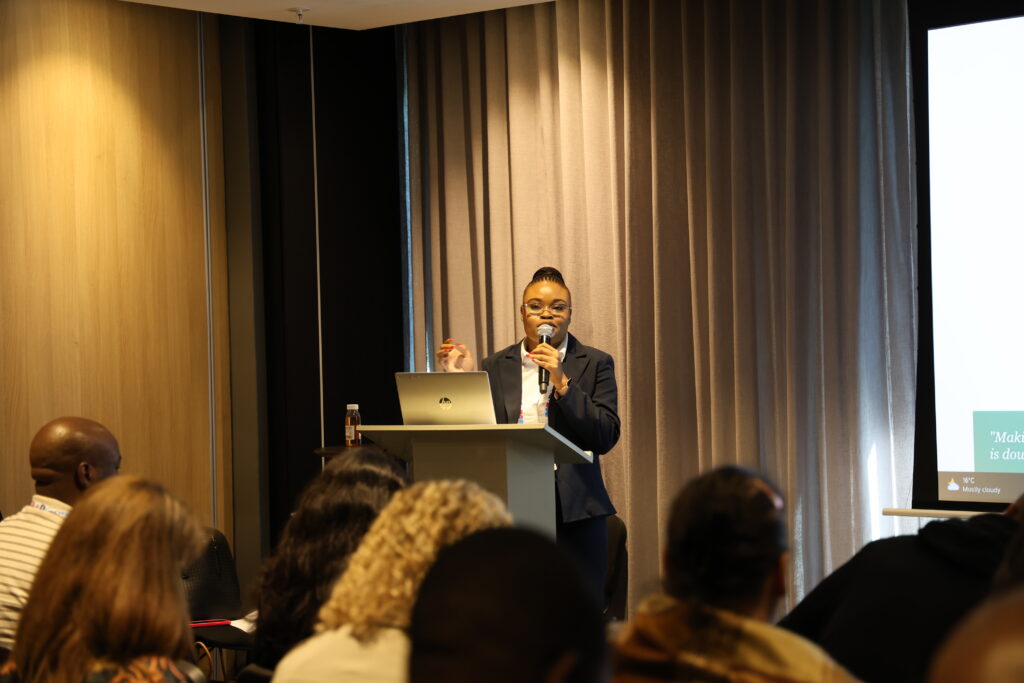
As part of the conference programme, I participated in a symposium titled “Youth-Led Innovations in Schools.” The symposium presented findings from three feasibility studies conducted in schools across the Western Cape, all aimed at addressing adolescent mental health challenges through evidence-based approaches.
Two of the studies adopted a youth-led approach to intervention adaptation using human-centred design principles. Adolescents aged 10–18 years were actively involved in reviewing intervention materials and providing recommendations on content, design, and delivery. Their feedback informed improvements to programme materials, ensuring that interventions were developmentally appropriate, engaging and relevant to the realities of young people in South African school settings.
One of the interventions discussed was the Early Adolescent Skills for Emotions (EASE) programme, a World Health Organization-developed intervention designed to support young adolescents aged 10 to 14 years experiencing emotional distress and their caregivers. Through the South African adaptation process, young people provided valuable insights into how programme activities, examples, language and delivery methods could be better tailored to their local context. Their contributions helped ensure that the intervention resonated with adolescents’ lived experiences while remaining grounded in evidence-based psychological strategies.
The adaptation process resulted in more youth-friendly materials, including contextualised energisers and icebreakers, interactive workbooks, physical activities, and animated video content. Involving young people from the outset not only improved the relevance and acceptability of the interventions but also demonstrated that evidence-based mental health programmes can be successfully adapted for delivery in low-resource school settings.
Young People as Conference Leaders
Another standout feature of the conference was the involvement of young people as co-chairs across all conference sessions. Each youth co-chair was paired with a researcher, sharing responsibilities such as introducing speakers, moderating discussions, facilitating question-and-answer sessions and ensuring sessions ran smoothly.

This approach reflected the conference’s commitment to shared leadership and demonstrated how young people can contribute meaningfully beyond consultation roles.
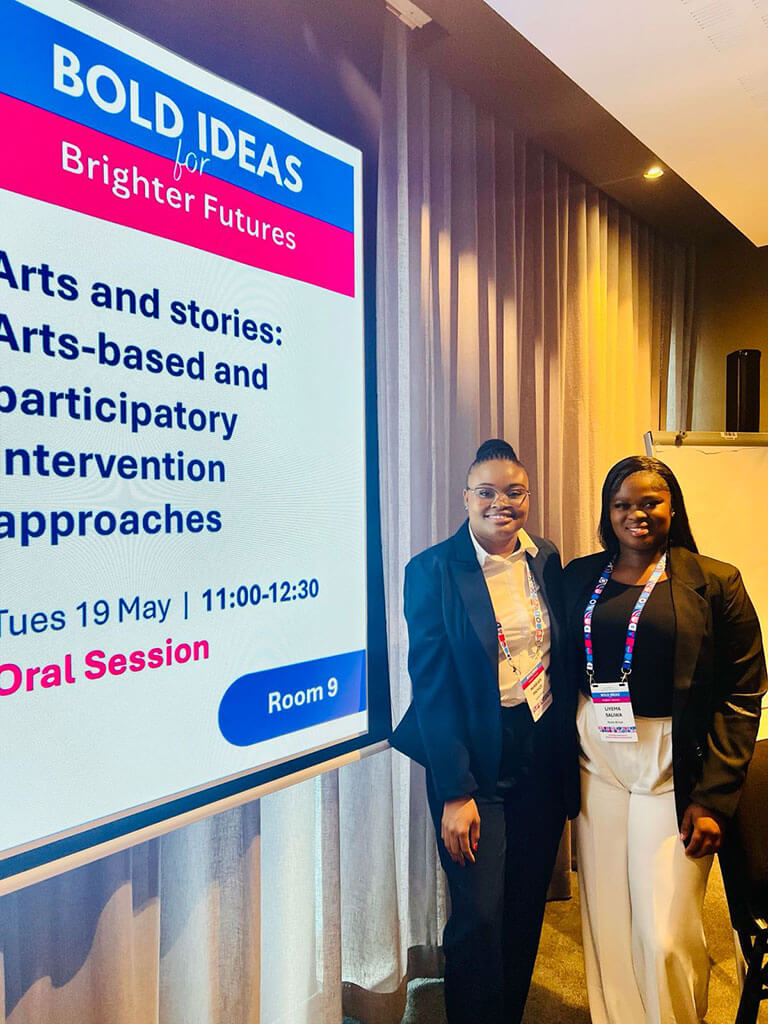
During the conference, I had the opportunity to co-chair a session on arts-based interventions alongside youth council member Liyema Siwela. The session explored how participatory arts methods can be integrated into mental health and wellbeing programmes in community settings, particularly within low- and middle-income countries. Presentations highlighted the use of painting, drawing, music, and other creative approaches to raise awareness, foster dialogue, and promote mental health literacy among young people and communities.
Reflecting on the experience, Liyema Siwela shared,
“Being part of the BIBF Youth Council and co-chairing a session for the first time was one of the most empowering experiences of the conference. It challenged me to step outside my comfort zone, build my confidence, and embrace leadership in a new way. The experience showed me the power of collaboration, meaningful dialogue, and creating space for every voice to be heard. I left feeling inspired, grateful, and more committed than ever to contributing to positive change.”
Youth Perspectives from the SNF Global Center Youth Council
The conference also featured strong representation from members of the SNF Global Center Youth Council. Delice Lumbu, Kayla Coetzer, and Hircil Ngoyie participated in discussions and contributed youth perspectives throughout the conference.
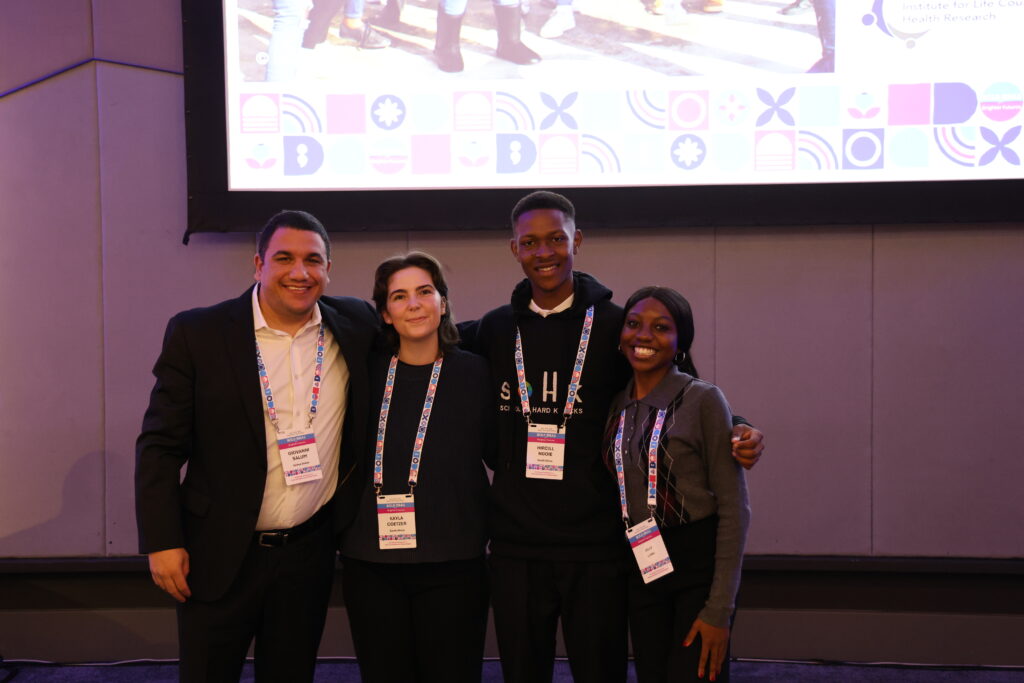
Their reflections highlight the importance of creating spaces where young people are recognised as equal partners in research, policy and programme development:
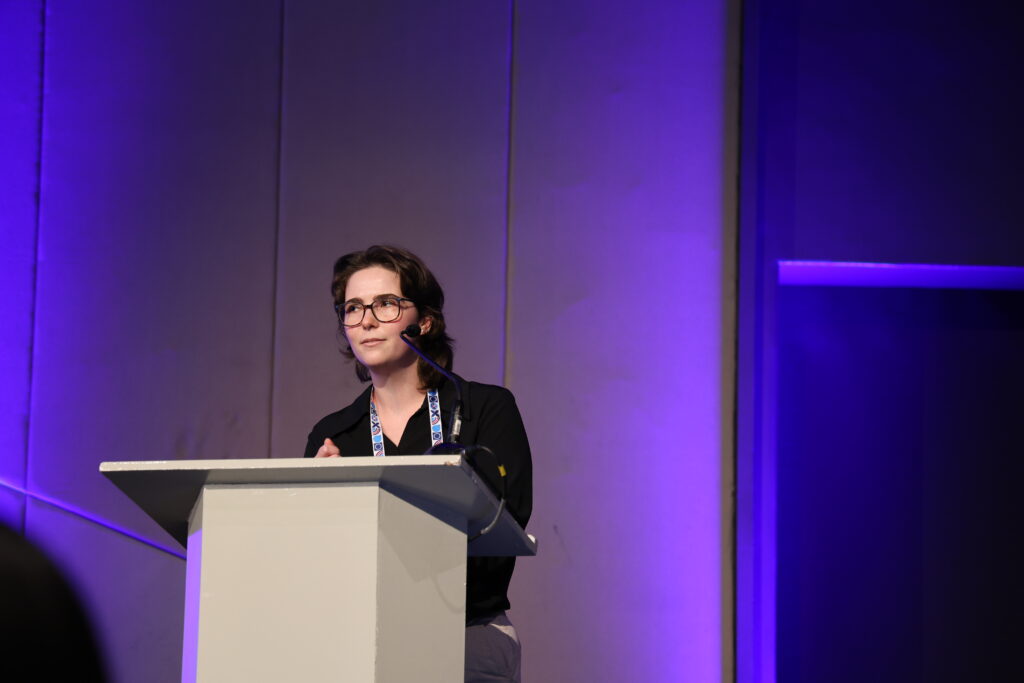
“My experience of the BIBF conference was overall incredibly fun. Getting to see how youth shaped this conference was so inspiring and influenced how I showed up in my role as youth council chair of the co-production and youth participation in research session. The events structure and its active encouragement of youth participation made me feel like my voice mattered, and in turn reinforced the value of youth voices in these spaces.” – Kayla Coetzer, SNF Global Center Youth Advisory Council member
“First young people were meaningfully involved throughout the event. They were not just participants but active contributors, helping shape discussions, challenge ideas, and drive important conversations. It was a powerful example of youth engagement as genuine partnership. Second, the atmosphere was inspiring. The conference balanced professionalism with warmth, creating a space filled with purposed, connection and enthusiasm. I left feeling inspired by ideas shared and the people behind them. The conversations, openness to learning from one another created a hopeful and energising experience.” – Delice Lumbu, Director of Youth Engagement, SNF Global Center
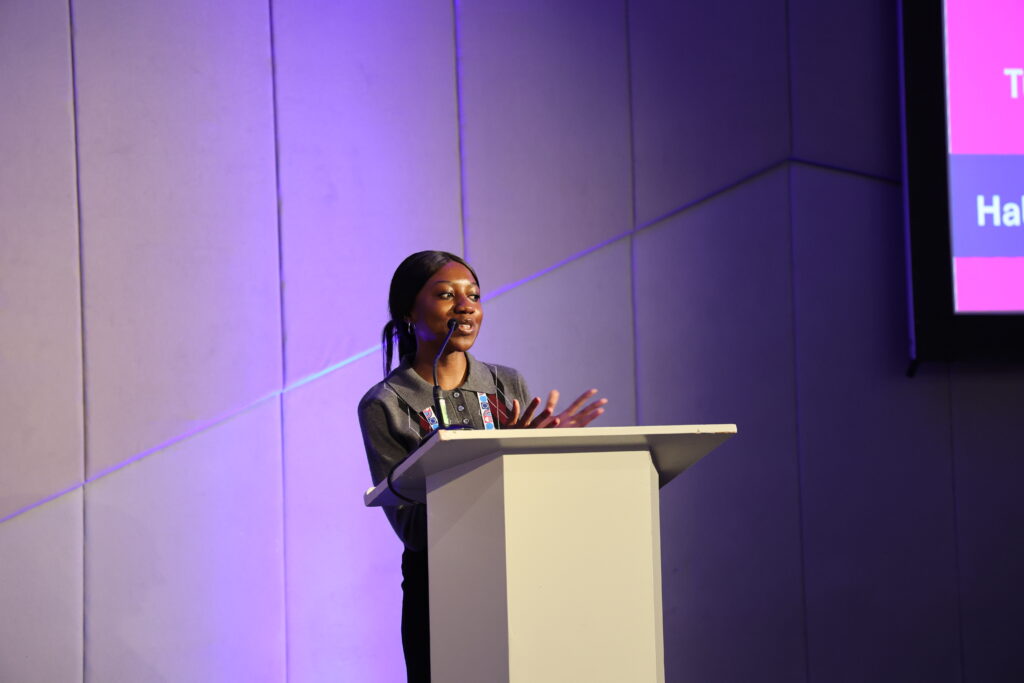
“My experience at the BIBF conference was both inspiring and empowering. As a youth leader and grassroots advocate, I had the opportunity to engage with changemakers, innovators, and community builders who are actively shaping a better future. My role allowed me to learn from diverse perspectives, build meaningful connections, and reflect on how local action can drive boarder social impact. The conference strengthened my commitment to creating opportunities for young people and reminded me that bold ideas, when supported by collaboration and purpose can lead to lasting change.” – Hircill Ngoyie, SNF Global Center Youth Council Member
Looking Ahead
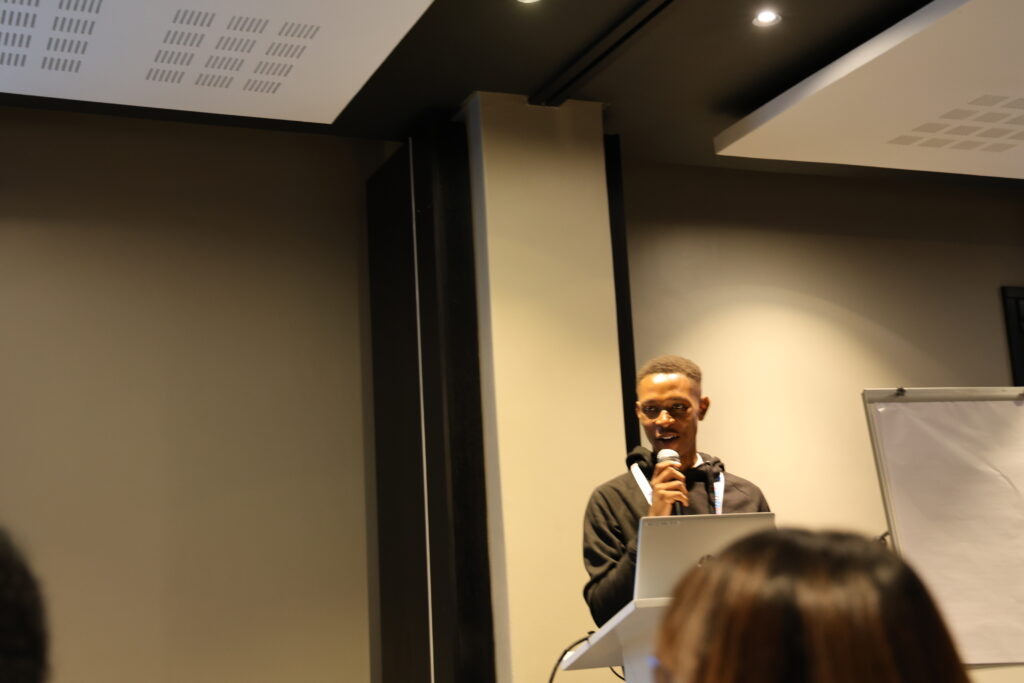
The Bold Ideas for Brighter Futures Conference 2026 demonstrated what meaningful youth engagement can look like in practice. From shaping interventions and contributing to research, to moderating scientific sessions and sharing lived experiences, young people were not simply participants—they were leaders, collaborators and changemakers.
For those of us working in child and adolescent mental health, the conference served as a powerful reminder that programmes and policies are strongest when young people are actively involved in their design, implementation and evaluation. Their perspectives help ensure that interventions are relevant, acceptable and responsive to the realities they face.
As the conference concluded, one message remained clear: advancing child and adolescent mental health requires more than creating solutions for young people—it requires creating solutions with them.