Young men often say, “I feel like I am failing in life because I cannot find a job.”
It is rarely said loudly. Almost as if it should not be said at all. But it is real.
Growing up in a rural community, like I did, the pressure to succeed, to provide, to appear strong was everywhere. For many boys and young men, vulnerability is not encouraged—silence is. You are expected to cope. To push through. To stay silent.
And that silence has consequences. It can turn frustration into shame. It can make one believe their struggles are a personal failure rather than a shared reality. It can lead to isolation, anxiety, anger, and hopelessness that goes unspoken and unsupported.
My journey into youth mental health did not begin with possessing any kind of expertise or training. It began with curiosity and concern. I wanted to understand why so many young people felt overwhelmed or stuck; yet acted as if everything was fine. I wanted to create spaces where honesty felt safe.
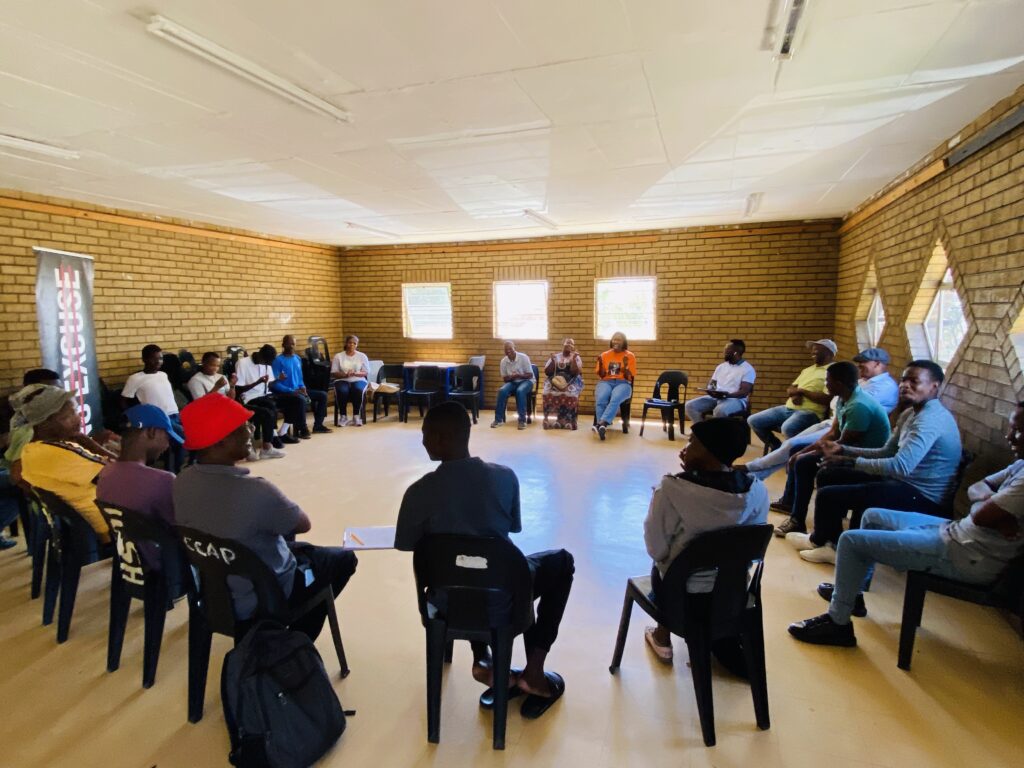
Over the past three years, I have facilitated Dialogue Circles and support groups through InnerRise Foundation, a youth led community organisation focused on promoting mental wellbeing, resilience, and safe spaces for young people in underserved communities.
Dialogue circles are small, in-person gatherings where young people sit together and speak openly about the experiences and pressures they face. The space encourages listening, honesty, and respect, allowing participants to share their stories around issues like unemployment, identity, family pressure, and mental health.
Through these conversations, young people often begin to realise that others are facing similar struggles and that they do not have to carry everything alone.
Sometimes, the change is quiet. It might look like someone speaking for the first time, admitting they are struggling, asking a question they were once afraid to ask.
Through Groom A Boy Child, an initiative started by InnerRise Foundation focused on redefining masculinity and strengthening mental health literacy among boys and young men, we create opportunities for young men to explore masculinity in ways that challenge harmful stereotypes. We talk openly about emotions and build mental health literacy so that young people can name what they are feeling instead of suppressing it.
Beyond community spaces, I have also used media platforms to raise awareness about youth unemployment, stigma, and the lack of accessible mental health resources. Not because I have all the answers, but because these conversations need to be normalised.
I am still learning every day. But what I know is that meaningful change does not always begin with big policies or systems. Sometimes it begins with one honest conversation. One safe space. One young person realising they do not have to carry everything alone.
Looking ahead, my hope is to continue strengthening community based mental health initiatives and building partnerships that allow us to reach more young people in ways that feel authentic and relevant.
Because when young people feel heard, they begin to believe their experiences matter.
And when that happens, growth becomes possible.
Author: Thato Mkansi