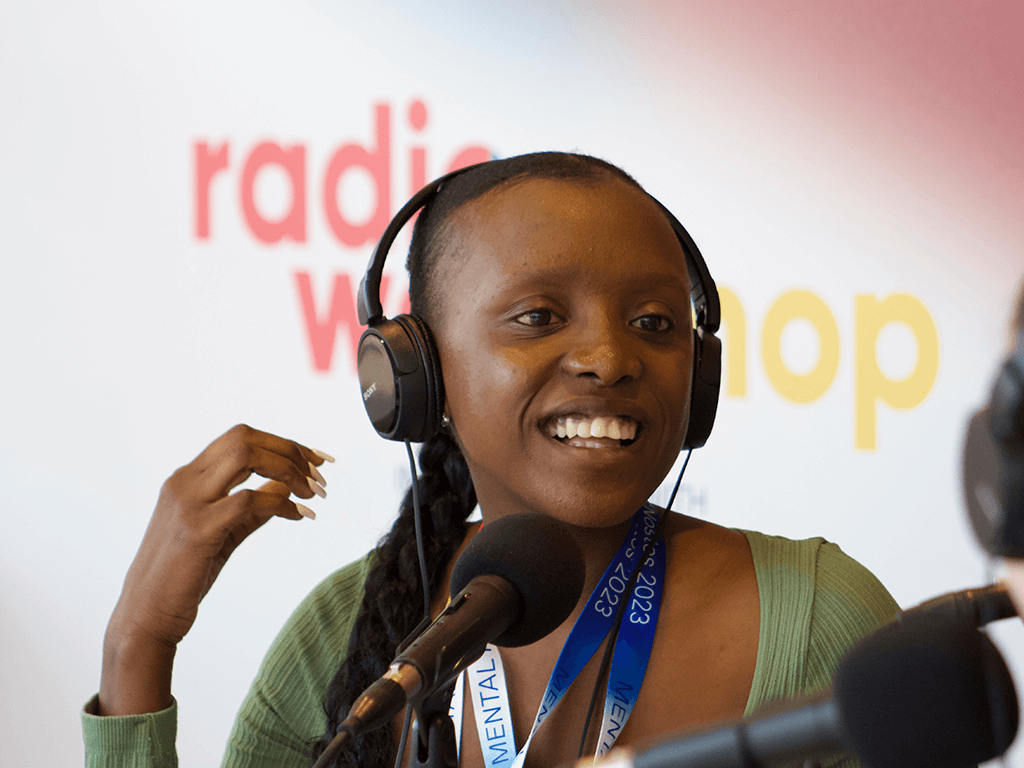
South African youth, through Radio Workshop, turn up the volume on mental health with powerful stories that challenge stigma and ensure every voice is heard. Here are a few of their stories.
“It’s like I don’t exist in his life. It’s like Abigail is not there.” —Abigail Maedza
Abigail Maedza is 23 years old, and for as long as she can remember, she’s played the role of caregiver in her home. She works to support both herself and her father, but their relationship is strained, painfully distant despite living under the same roof. They don’t talk about their relationship, why it feels broken, why they seem to live in separate emotional worlds. And yet, Abigail continues to show up. She cooks, she cares, she stays. But her mental health is starting to suffer.
“I don’t want him to show up for me financially. I just want him to see me. To acknowledge me. But it’s like I’m invisible,” Abigail says.
Her name, Abigail, means “father’s joy,” a bitter irony she often reflects on: “It feels like the opposite of joy. It doesn’t make sense.” Her father drinks heavily. And even when he’s sober, they still don’t speak. She suspects something is deeply wrong, something he’s not willing to talk about. She wants to help, if only he’d let her in.
Their history is long and complicated. Her parents divorced when she was in Grade 8, and Abigail chose to stay with her father. Since then, she’s carried the emotional and practical weight of caring for him.
“When he got sick, I cooked for him, made sure he took his medication. No one else was there to help, I had to handle it all on my own,” she says.
There are moments when she questions that choice. She wonders if she should have gone with her mother. But she also knows no one looks out for her dad the way she does. That love creates a tension. She cares deeply for him, but their unresolved relationship is taking a toll on her mental well-being. She often feels like her life is on pause, her goals, her dreams, her independence feel delayed because she must put his needs ahead of her own. And for a long time, she felt she shouldn’t speak up.
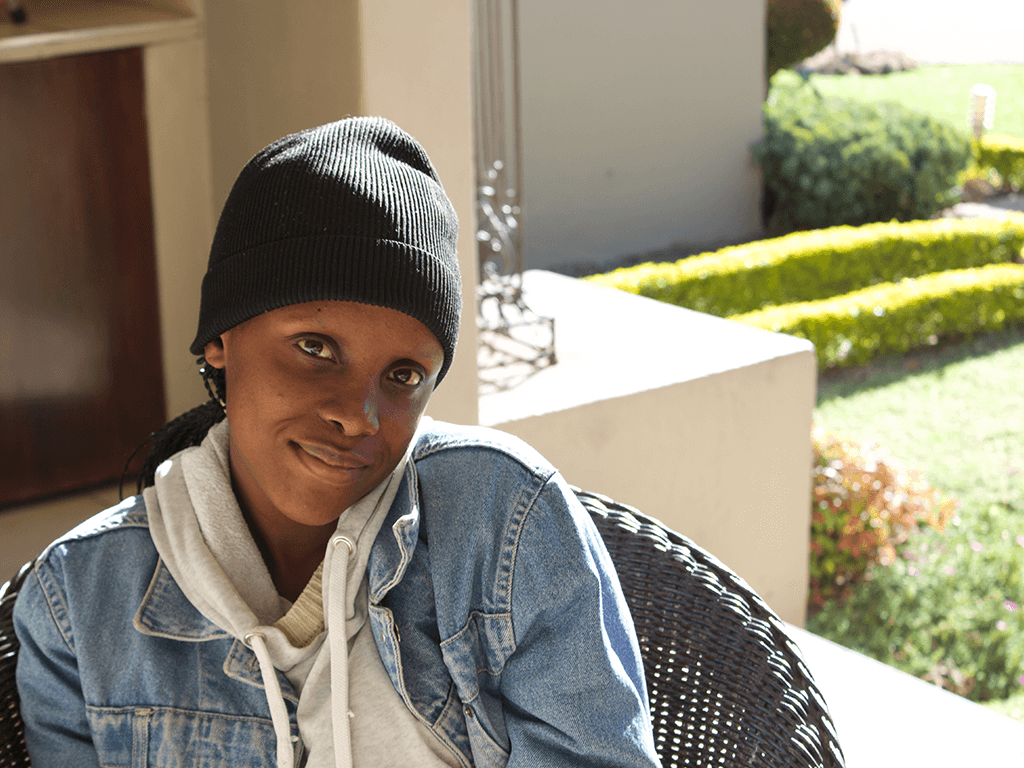
“Other people are going through pain too, so I felt like mine didn’t matter. But I’m realizing now that not talking about it is hurting me more than I thought.”
Abigail doesn’t want things to stay the same. She hopes her father will get help. She hopes one day they’ll talk. She hopes he’ll open up. And most importantly, she hopes she’ll be able to live her own life, free from silence, heavy responsibility, and emotional invisibility.
Abigail story is part of “Listen to Me,” a Radio Workshop episode that turns up the volume on youth mental health in South Africa.
This work is part of our commitment at the Stavros Niarchos Foundation (SNF) Global Center for Child and Adolescent Mental Health at the Child Mind Institute, where we’re working in South Africa in collaboration with local partners to increase access to culturally adapted, evidence-based care. Through youth engagement, mental health literacy, and expert training, we’re helping build a stronger future, one story at a time.